How to Log In to Your Online Account
Logging in to your online account is an essential step in accessing services, managing information, and ensuring a secure digital experience. Whether you’re accessing your email, social media, or gaming accounts, knowing how to log in properly is fundamental. This guide will walk you through various methods and tips for a smooth login experience, including important reminders about online security. For example, if you’re interested in gaming, you can check out the How to Log In to Kingdom Casino Kingdom Casino sign in process as a case study.
Understanding Login Credentials
Your login credentials typically consist of a username or email address and a password. Understanding this basic framework will help you navigate any online login effectively. It’s crucial to use unique credentials for each account to enhance security. If you forget your login details, most platforms have a recovery mechanism in place, allowing you to reset your password or recover your username.

Step-by-Step Guide to Logging In
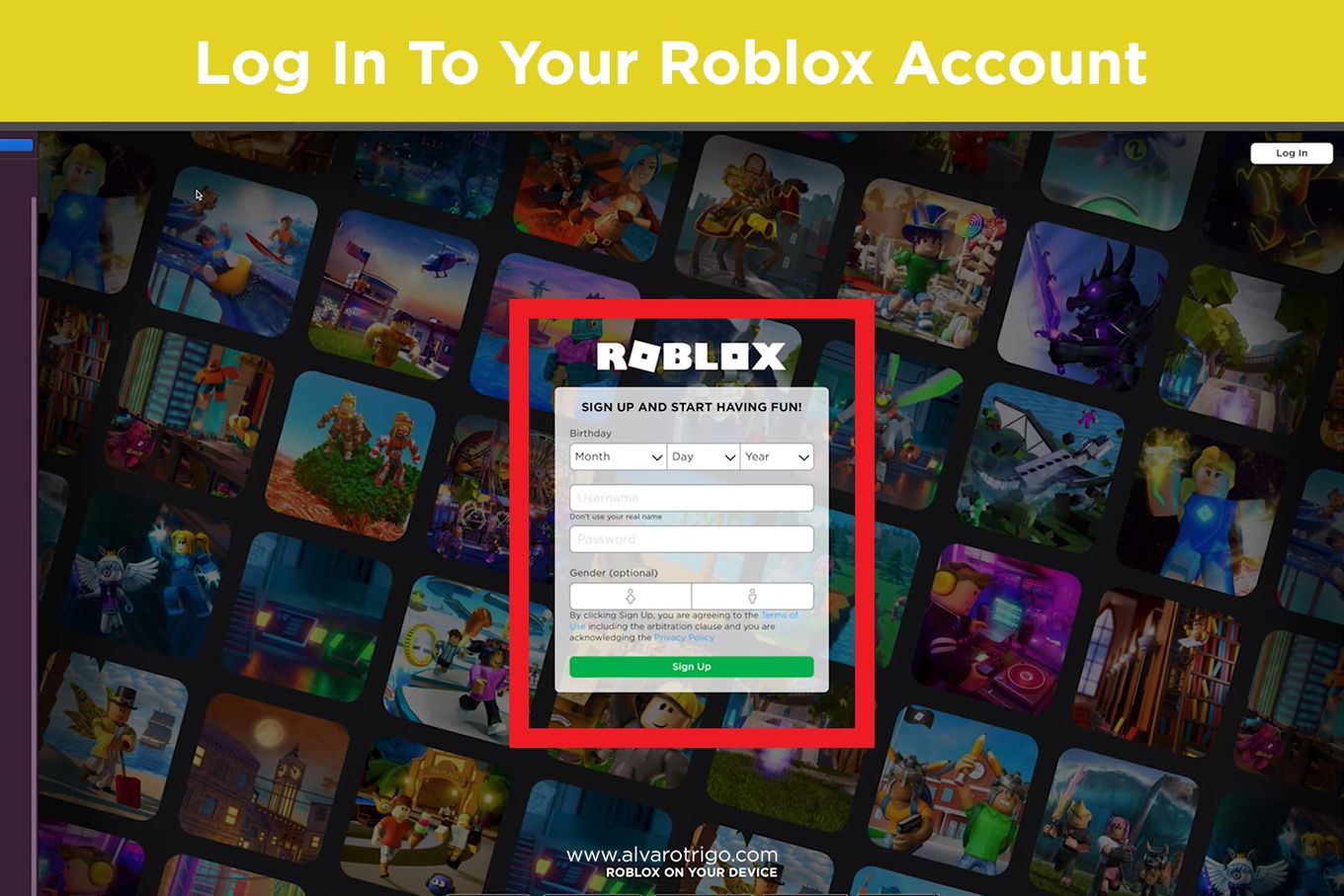
- Navigate to the Login Page: Begin by navigating to the website or application where you wish to log in. Most websites have a clear “Login” or “Sign In” button located on the homepage.
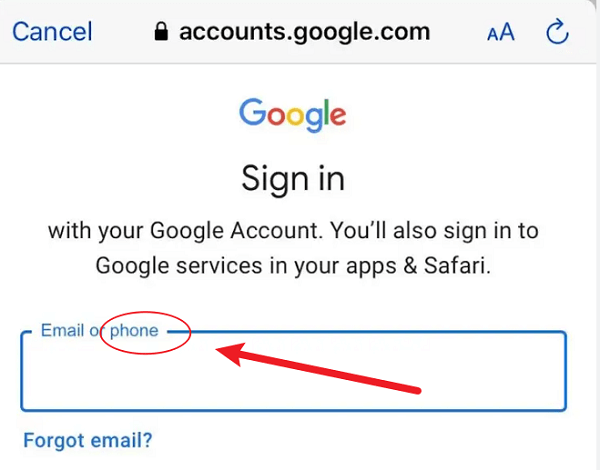
- Enter Your Username or Email: Once you’re on the login page, you’ll typically see fields prompting you to enter your username or email address. Make sure to enter the correct information, as it’s case-sensitive.
- Input Your Password: Next, enter your password in the designated field. If you’re concerned about security and suspect someone else might be watching you type, consider using the “Show Password” feature to ensure accuracy.
- Use Two-Factor Authentication (if available): Many services now offer two-factor authentication (2FA) for added security. If you have this feature activated, you will need to enter a code sent to your mobile device or email after entering your login credentials.
- Click the Login Button: After entering your information, simply click the “Login” or “Sign In” button to gain access to your account.
Troubleshooting Common Login Issues
Sometimes, logging into your account may present challenges. Here are a few common problems and their solutions:
- Forgotten Password: If you can’t remember your password, locate the “Forgot Password?” link on the login page. Click it and follow the prompts to reset your password through your email.
- Incorrect Username: If you are told your username is incorrect, double-check for typos. If you think your username has changed, check any emails from the service for updates.
- Account Locked: After multiple failed attempts, your account may temporarily lock for security reasons. Wait for a specified period (often around 15 minutes) or contact customer support for assistance.
- Browser Issues: Sometimes, outdated browsers or cache problems can prevent a successful login. Clear your browser’s cache or try accessing the site using a different browser or device.
Security Best Practices for Online Logins
Maintaining security when logging into your accounts is vital. Here are several best practices to follow:
- Use Strong Passwords: Your passwords should be a mix of letters, numbers, and symbols. Avoid simple or common passwords that can be easily guessed.
- Change Passwords Regularly: Regularly updating your password can help protect your account from unauthorized access.
- Avoid Public Wi-Fi: Be cautious when logging in over public Wi-Fi networks, as they can be less secure. If necessary, use a virtual private network (VPN).
- Monitor Account Activity: Regularly review account statements and activity for any unauthorized actions to catch any potential threats early.
- Log Out After Use: Always remember to log out of your accounts, especially on shared or public devices, to protect your information.
Conclusion
Logging in to your online accounts should be a straightforward process when you understand the basic steps and security measures involved. By following the guidelines outlined in this article, not only will you enhance your login experience, but you’ll also contribute to your overall online security. As online threats evolve, staying updated on best practices will provide a safer experience while enjoying your online activities.