


Understanding the Impact of UK Horse Racing Shutdowns
The UK horse racing industry holds a prestigious place in the heart of sporting culture. However, recent events have led to considerable interruptions in this beloved sport. Factors such as unforeseen circumstances, regulatory updates, and broader economic challenges pose significant questions about the future of horse racing. During these troubling times, UK horse racing not on GamStop Merseyside Mounted units, known for their role in community engagement and public safety, also reflect how essential support systems are intertwined with the world of horse racing.
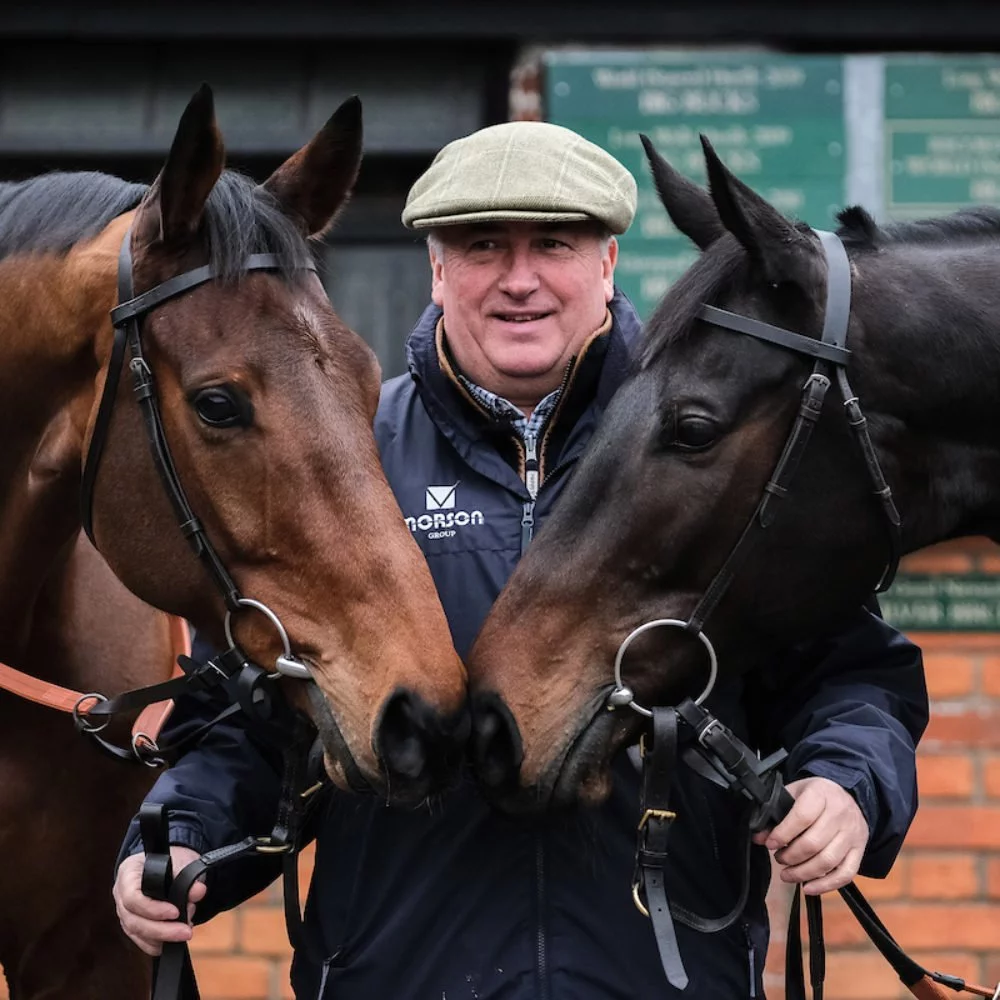
The Significance of Horse Racing in the UK
Horse racing in the UK is more than merely a sport; it is a deeply rooted tradition that dates back centuries. Events such as the Grand National and Royal Ascot capture the public’s imagination and attract millions of viewers each year. The racing season generates significant revenue for the economy, with betting, hospitality, and tourism creating thousands of jobs. Additionally, horse racing plays an important role in the agricultural sector, where breeding and training facilities contribute to rural economies.
Understanding the Shutdowns
Shutdowns of horse racing events often stem from various challenges. Health regulations, such as those seen during the COVID-19 pandemic, led to widespread cancellations and the need for strict adherence to hygiene standards. Other times, weather conditions and safety concerns have forced tracks to close their doors temporarily. Regulatory bodies must consider the welfare of the horses, jockeys, and attendees, which sometimes results in difficult decisions about racing events.
Consequences of Racing Shutdowns
The ramifications of horse racing shutdowns extend far beyond the racetracks. Betting shops, hospitality venues, and local businesses reliant on racing traffic experience significant financial losses. The closing of racing events has led to a recession in related sectors, where jobs are at risk, and livelihoods are threatened. The emotional investment of owners, trainers, and fans becomes evident when the thrill of racing is removed from the equation.
Moreover, horses themselves are impacted. Training routines are disrupted, and the economic pressures of maintaining a horse can become overwhelming. Studies have shown that consistent activity is vital for a horse’s physical and mental well-being, making shutdowns particularly troubling for animal welfare advocates.
The Role of Stakeholders
Various stakeholders, including racing authorities, the government, and industry representatives, are crucial in addressing these challenges. Regulatory bodies like the British Horseracing Authority (BHA) work to set the guidelines that ensure the sport’s integrity, safety, and future viability. The BHA also engages in discussions with the government to secure financial support for the industry during tough times.
Another vital player in this landscape is the betting industry. Betting has become an integral part of horse racing, and stakeholders must work together to create solutions that will sustain the sport’s economic model. The potential for online betting and fundraising initiatives presents opportunities for the growth of this sector even amidst shutdowns.
Community Engagement and Support
The community’s role cannot be understated in times of crisis. Local organizations often step in to provide support for those affected by racing shutdowns. Initiatives to raise awareness, funding campaigns, and community events help promote the collective strength of affected families and businesses. Engaging the community also fosters connections between the sport and the wider public, emphasizing the importance of collaboration during challenging times.
Future of UK Horse Racing
As the industry navigates shutdowns, looking ahead is critical. Adaptations within the sector, such as increased digitization of events and improved health protocols, might reshape the future of horse racing. Innovations in technology can enhance the spectator experience, with virtual events and increased media presence expected to attract new audiences while carrying the sport forward.

Furthermore, stakeholder collaboration will be paramount in rebuilding a resilient industry. Strategic partnerships that promote horse welfare, financial sustainability, and public engagement will be essential in creating a promising future for UK horse racing. Education and outreach efforts from organizations, such as the Merseyside Mounted, can foster community involvement and bolster trust in the sport’s governance.
Conclusion
The shutdowns experienced in the UK horse racing industry present challenges that resonate across multiple sectors and communities. The impact is profound, revealing how interconnected the racing world is with broader economic and social landscapes. By understanding the complexities behind these closures and focusing efforts on collaboration, innovation, and community engagement, there exists great potential to revitalize the sport and ensure its future.